
Environment and Public Health Organization (ENPHO) successfully conducted an engaging three-day training on WASH and Climate Change from 23 – 25 July 2025 at Indreni Food World and Banquet, Imadol, Lalitpur. The training brought together 18 participants from government institutions, development agencies, academic institutions, and individual professionals working in the field of climate change.
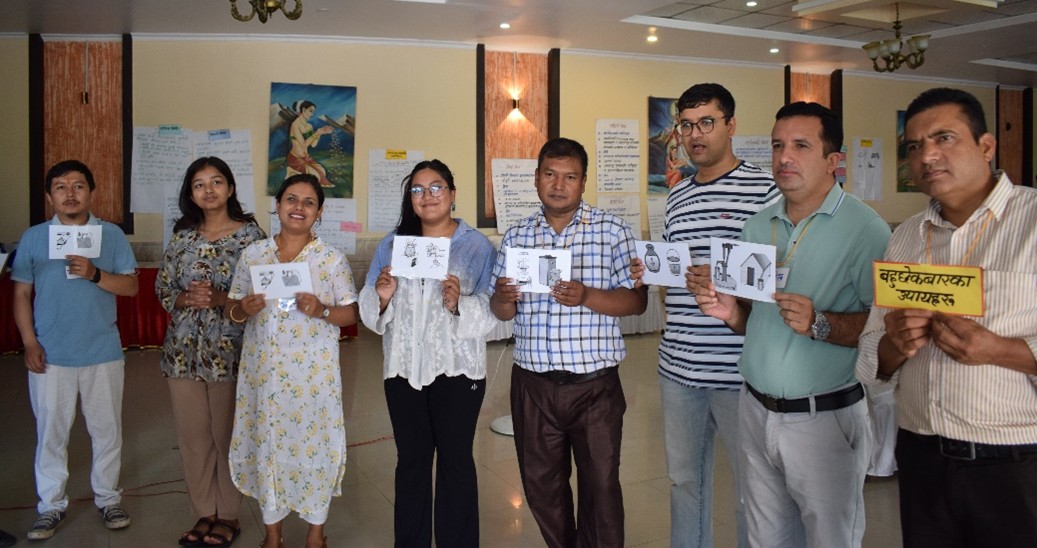
Figure 1: Group activity on ensuring safe water
The training aimed to enhance participants’ understanding of climate change and its impacts on water, sanitation, and hygiene (WASH), while emphasizing the critical interlinkages between WASH and climate change. It also sought to strengthen participants’ capacity to integrate climate action—including mitigation, adaptation, and resilience—into WASH programming and policy planning. The training adopted a participatory approach, ensuring active engagement from all participants throughout the sessions.
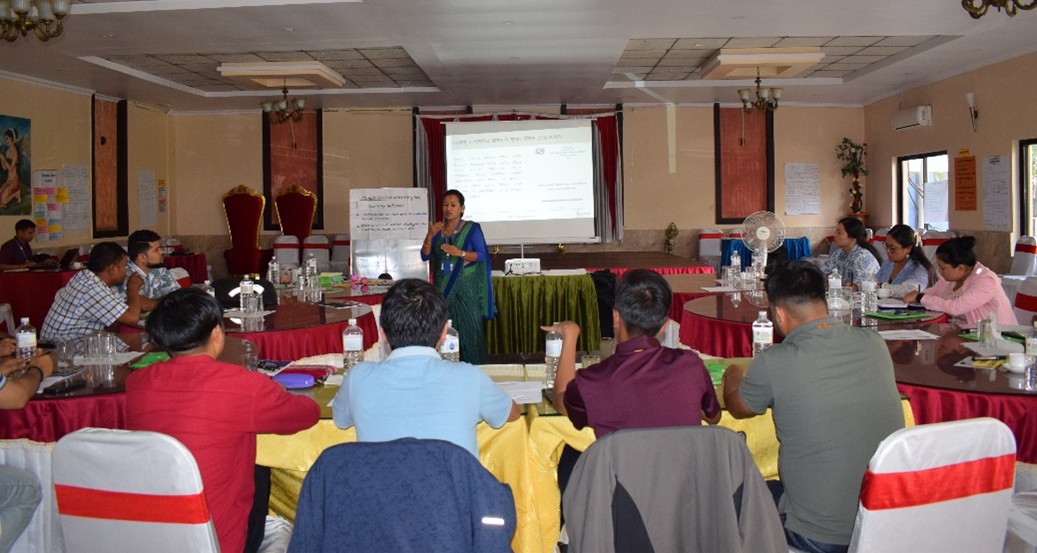
Figure 2: Training session on Climate Resilient Water Safety Plan
Khil Ghale, Senior Program Officer at Shapla Neer stated: “This training has been very useful not just for me but also for my family, and my community. Being aware of how climate change affects everyday life, I am committed to putting knowledge into action by adopting climate-smart practices in my personal life and professional responsibilities. I highly appreciate the content and resources provided, and I encourage others to participate in trainings organized by ENPHO.”

Figure 3: Key points listing on climate-resilient hygiene practices
Sweta Karki, Program Officer at NCDC, said: “The training offered valuable learning that enhanced my understanding of WASH and climate change from both a personal and professional perspective. I appreciated the interactive and participatory nature of the sessions and particularly value the opportunity to connect with diverse participants and learn from their experiences. I am committed to sharing the knowledge gained and applying it to promote practical action.”
The three-day training on WASH and Climate Change concluded on a high note, with participants and organizers pledging to adopt environmentally responsible practices. These commitments included minimizing the use of plastic bottles, ensuring the optimal use of water resources, segregating waste at the source, and replacing plastics with environmentally friendly alternatives. These unified pledges reflect the essence of the training and underscore the importance of integrating sustainability into the WASH and need for climate-resilient approaches.