Environment and Public Health Organization (ENPHO), in collaboration with the Ministry of Water Resource and Energy Development – Karnali Province (MOWRED) and the National Water Supply and Sanitation Research, Innovation and Capacity Development Center (NWSSRICDC), organized a three-day province-level training on the “Introduction to Citywide Inclusive Sanitation (CWIS) Approach” from November 2 to 4, 2025, at Hotel Namaste Nepal, Surkhet.
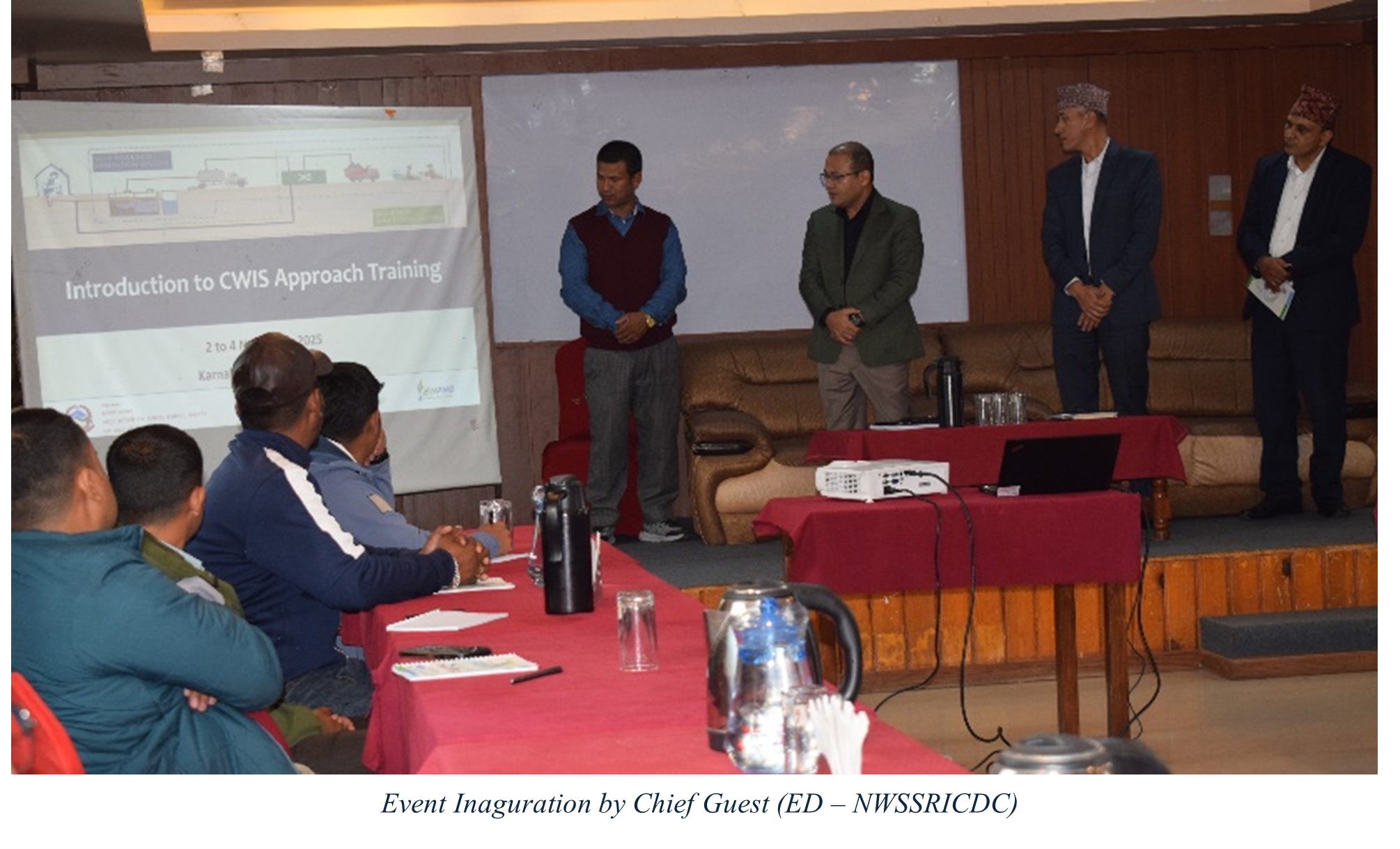
The training brought together 20 participants (5 female and 15 male) from MoWRED offices in Dailekh, Surkhet, Jumla, and Jajarkot, along with representatives from NWSSRICDC and development partners, to strengthen their understanding of the CWIS approach and build capacity for inclusive and equitable sanitation services in the province.
The program opened with a formal session chaired by Mr. Mohan Shakya, Secretary of MoWRED–Karnali Province, with Mr. Ram Kumar Shrestha, Executive Director of NWSSRICDC, as Chief Guest. Following opening remarks from the Chief Guest and Chairperson, ENPHO Program Manager Mr. Ash Kumar Khaitu welcomed participants and outlined the objectives and schedule. Participants then introduced themselves, shared learning expectations, set ground rules, and completed a pre-test. Core sessions covered an introduction to CWIS principles and framework, along with the service outcomes of equity and safety.
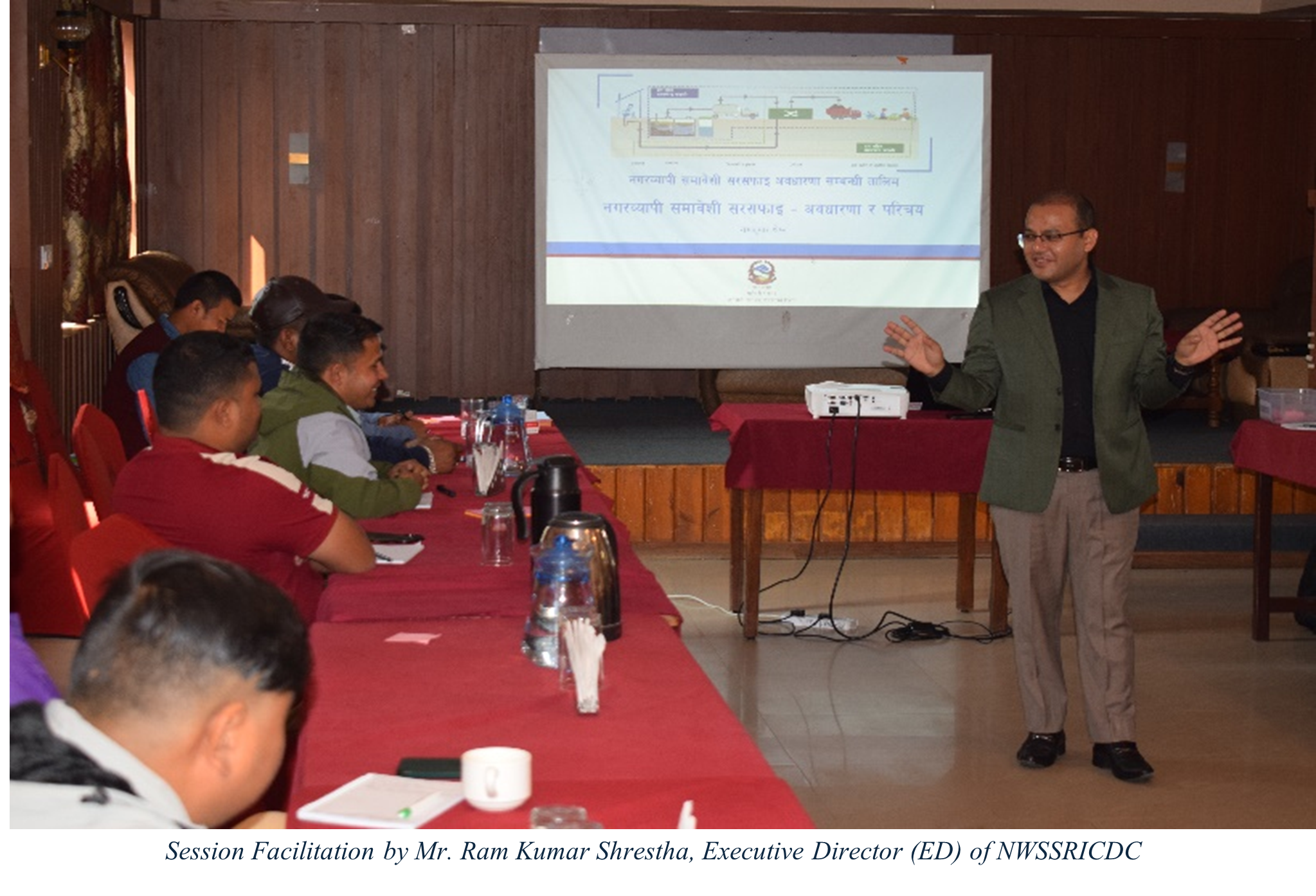
The training continued with a review of previous learnings, followed by a session on the final service outcome, Sustainability. Participants engaged in group presentations on key CWIS System Functions—Responsibility, Accountability, and Resource Planning & Management. A session on legal provisions for safely managed sanitation further strengthened participants’ understanding of national frameworks.
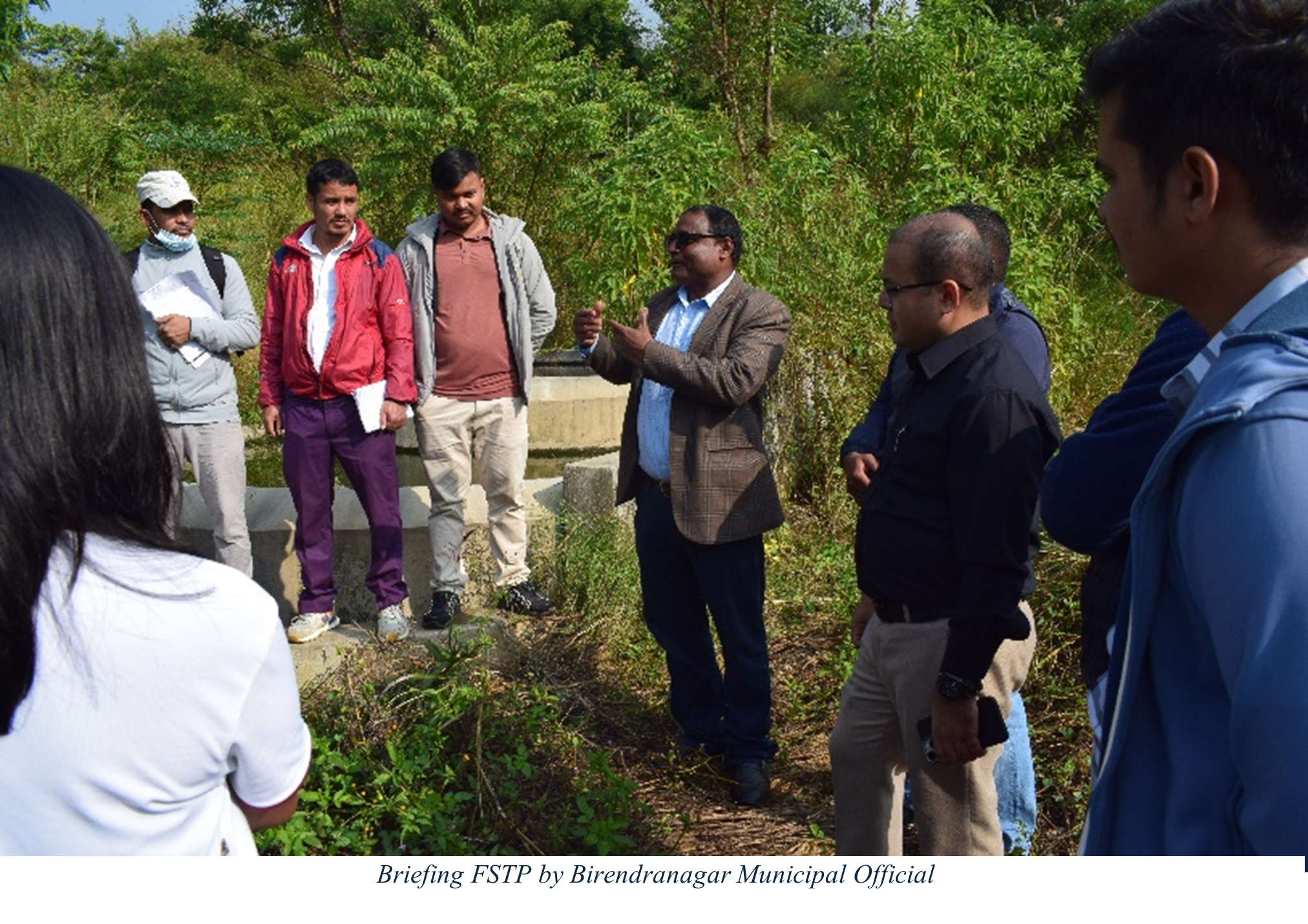
The participants also visited the Faecal Sludge Treatment Plant (FSTP) of Birendranagar Municipality to observe real-time operations. After the visit, they analyzed the plant through the six CWIS building blocks, sharing insights through group discussions and presentations. The program also covered Monitoring tools and assessments for sanitation services, and concluded with a review of learning expectations, a post-test, and an evaluation.
The three-day training concluded with a formal closing session chaired by the SDE of MoWRED, Karnali Province, with the Executive Director of NWSSRICDC as Chief Guest. In his remarks, he emphasized that CWIS extends beyond infrastructure, ensuring equitable, safe, and sustainable sanitation as a human right. He highlighted the need for municipalities to apply the training learnings, prioritizing FSTPs as practical, locally manageable solutions, and appreciated ENPHO’s continued leadership in advancing the post-ODF sanitation agenda. Certificates were distributed jointly by the Chief Guest and Chairperson, with participants sharing reflections on their learning experience.
“I have attended many trainings in my career, but this was my first sanitation-focused training. I learned that small behavioral changes can start from our own homes, and I gained many new insights from ENPHO’s experts. Similar trainings should also be organized for municipal decision-makers to strengthen sanitation systems for sustainability.”
Bhakta Bahadur Nepali, HNSO – Care Nepal
“I have mostly been working on water supply, but this training made me realize the importance of safely managed sanitation, which is not only the responsibility of municipalities but also of provincial officials and citizens. I hope future trainings will also cover solid waste management and FSTP design. I truly enjoyed the sessions and the chance to connect with sanitation professionals.”
Kalpana Thapa, Engineer – WSSMO, Surkhet