The Environment and Public Health Organization (ENPHO), with support from the Centre for Affordable Water and Sanitation Technology (CAWST), has successfully conducted a self-paced online training on Drinking Water Quality Testing (DWQT). This training was part of the project “Building Local Capacity for Effective WASH Promotion in Nepal.” Running from June 5 to July 24, 2025, the training was rolled out through a dedicated Learning Management System (LMS).
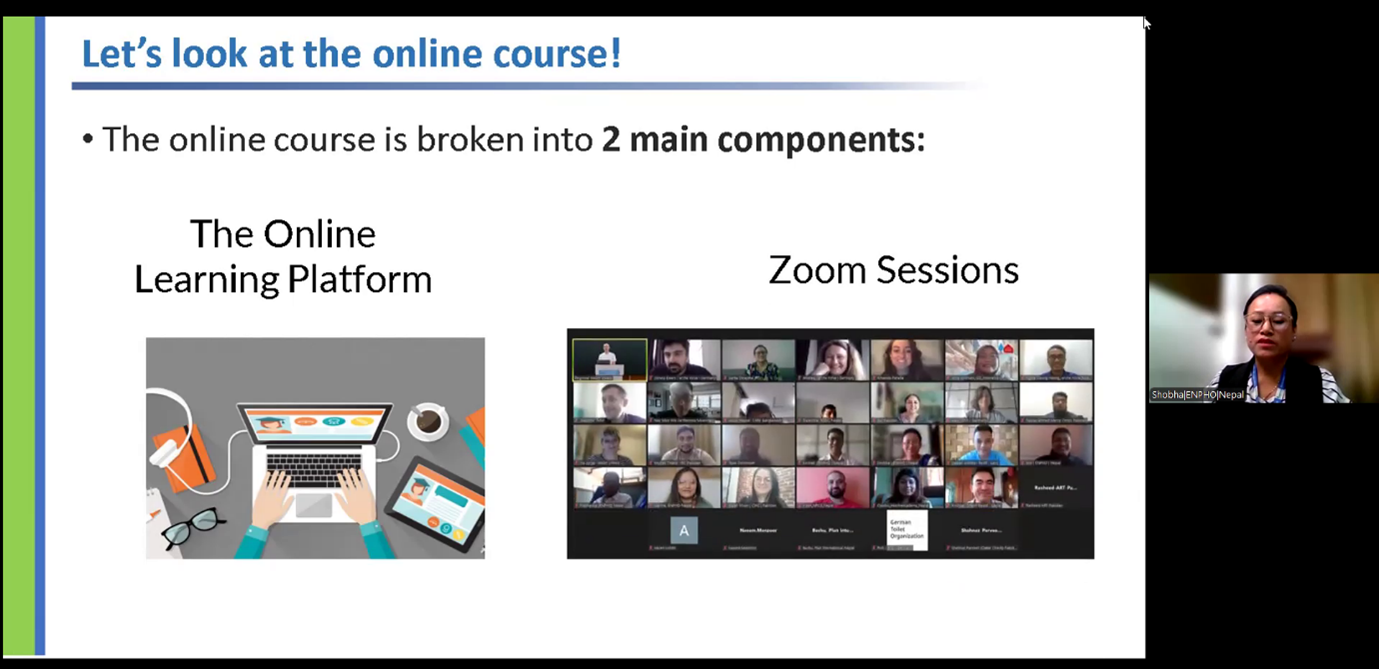
Figure 1: Information sharing on course module in opening session
The course aimed to empower participants with practical knowledge and skills related to water quality, including sampling procedures and the use of portable water test kits to assess the physical, chemical, and microbiological parameters of drinking water. A total of 14 participants enrolled in the course, representing Bheri Municipality, Aathbiskot Municipality, development organizations such as Snow Lion Foundation, Kalpavatika Society Nepal, Gopka Youth Club, Everest Club Dailekh, and Protection Nepal. Several individuals with a keen interest in water quality testing also joined the program.
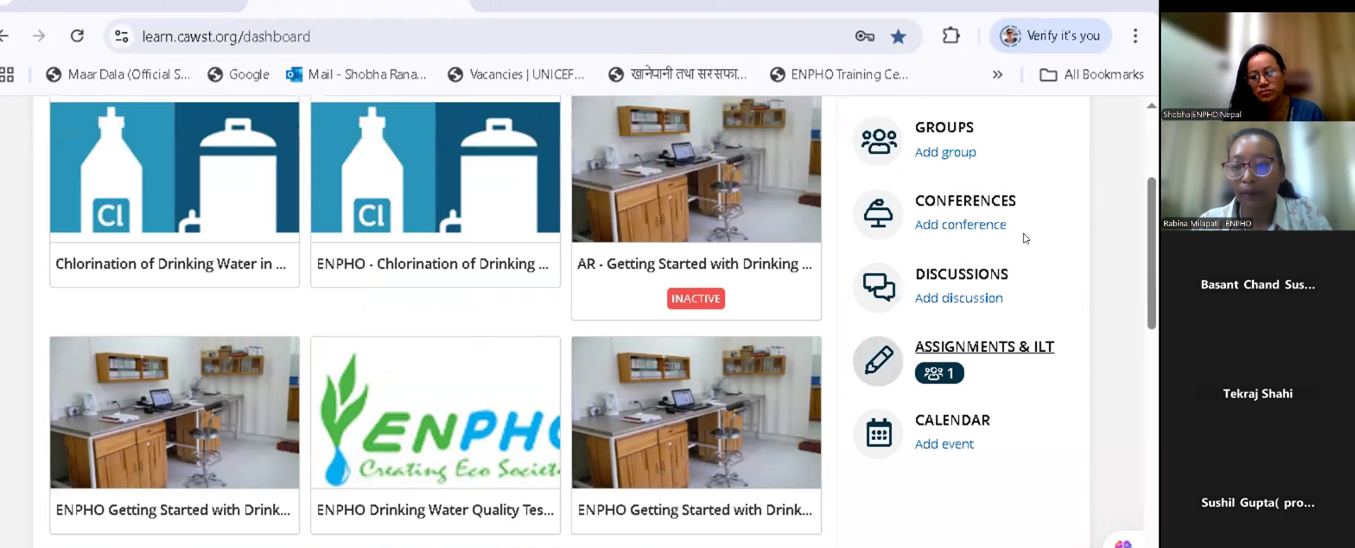
Figure 2: Instruction sharing on navigating the online course on DWQT
Originally developed by CAWST, the course content was carefully contextualized by ENPHO to align with Nepal’s local conditions, ensuring its relevance and applicability. Despite designed in a self-pace format, weekly live Zoom sessions were held every Thursday offering opportunities for clarifications, discussions, and addressing any queries, ensuring an engaging and effective learning experience.
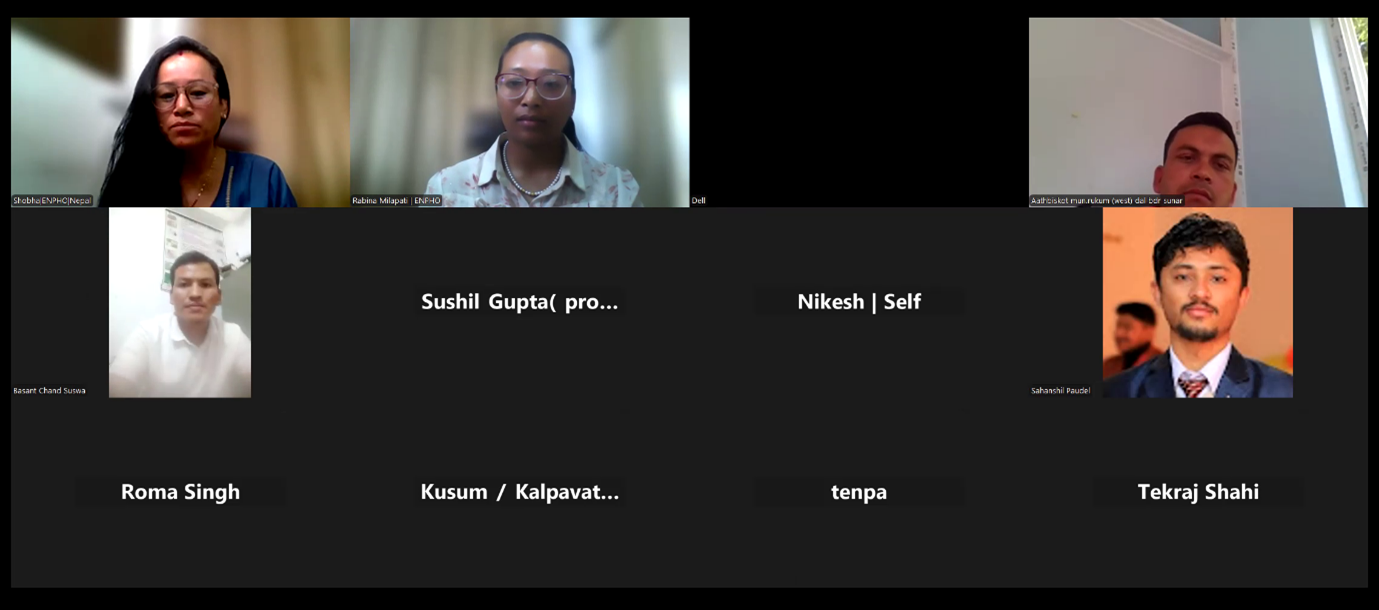
Figure 3: Participants from online DWQT training attending virtual session
Kelsang Tsomo, from Snow Lion Foundation, stated: “The online training on drinking water quality testing was truly engaging and insightful. The interactive activities inbuilt in the course kept me actively involved and engaged throughout the course. Practical and relevant content in the course stood out for me and I’m excited to apply my learnings in my professional field.”
Dipendra Aidee, from Gopka Youth Club, said: “The interactive online course was both engaging and resource-rich. It provided me with hands-on knowledge on using portable water test kits to test physical, chemical, and microbiological parameters. More importantly, it deepened my understanding of how safe drinking water plays a crucial role in preventing waterborne diseases.”
By the end of the course, 57% of participants had successfully completed the training, with the remaining participants close to finishing. This level of engagement underscores not only the participants’ dedication to enhancing their knowledge but also the effectiveness of the course design in supporting flexible, self-paced learning.